.png)


How to Design a Custom Logo Shirt for Your Brand

Updated: Mar 12

Introduction:
Custom logo shirts are one of the most effective ways to promote your brand and create a strong visual identity. Whether you’re a small business owner, event organizer, or launching a clothing line, branded apparel helps turn your logo into a powerful marketing tool. If you're wondering how to design a custom logo shirt for your brand, understanding the right design approach and printing options can make all the difference.
Branded apparel allows companies to increase visibility, build team unity, and create memorable merchandise that customers and employees actually want to wear. A well-designed logo shirt can serve as both a marketing asset and a professional uniform for your team.
With the right planning and design choices, your custom shirts can represent your brand clearly and leave a lasting impression.
Start With a Strong Logo
Keep the Design Clean and Recognizable
The foundation of any great logo shirt is a strong logo. Your logo should be simple, easy to recognize, and scalable for different apparel sizes. Clean designs typically work best because they remain clear even when printed on fabric.
Avoid overly complex graphics or very small details that may not translate well onto clothing.
Use High-Quality Artwork
When preparing your logo for printing, make sure it’s in a high-resolution or vector format. This ensures the design remains sharp and professional when printed on shirts.
Professional printing companies often prefer vector files such as AI, EPS, or SVG formats because they can be resized without losing quality.
Choose the Right Shirt Style
Select Apparel That Fits Your Brand The style of shirt you choose should reflect your brand’s personality and audience. Different industries and brands may prefer different apparel styles.
Popular options include:
Classic cotton T-shirts
Soft-style or tri-blend shirts
Long-sleeve shirts
Performance athletic shirts
Hoodies or sweatshirts
Comfortable, high-quality apparel encourages people to wear your branded shirts more often, increasing brand exposure.
Consider Color Contrast Your shirt color should complement your logo. Strong contrast between the shirt and the design helps your logo stand out and remain easy to read from a distance.
For example, light logos often look best on darker shirts, while darker designs work well on lighter fabrics.
Decide on Logo Placement
Front Chest Placement One of the most common logo placements is on the front chest area. This option works well for business uniforms and promotional shirts because the logo is clearly visible but not overwhelming.
Full Front Design Some brands choose to place a larger version of their logo across the front of the shirt. This approach creates a bold statement and works well for merchandise or promotional apparel.
Back or Sleeve Printing
Additional placements such as the back or sleeve can add extra branding opportunities. Businesses sometimes place their main logo on the front and contact information or a slogan on the back.
Choose the Best Printing Method
Screen Printing for Bold Designs
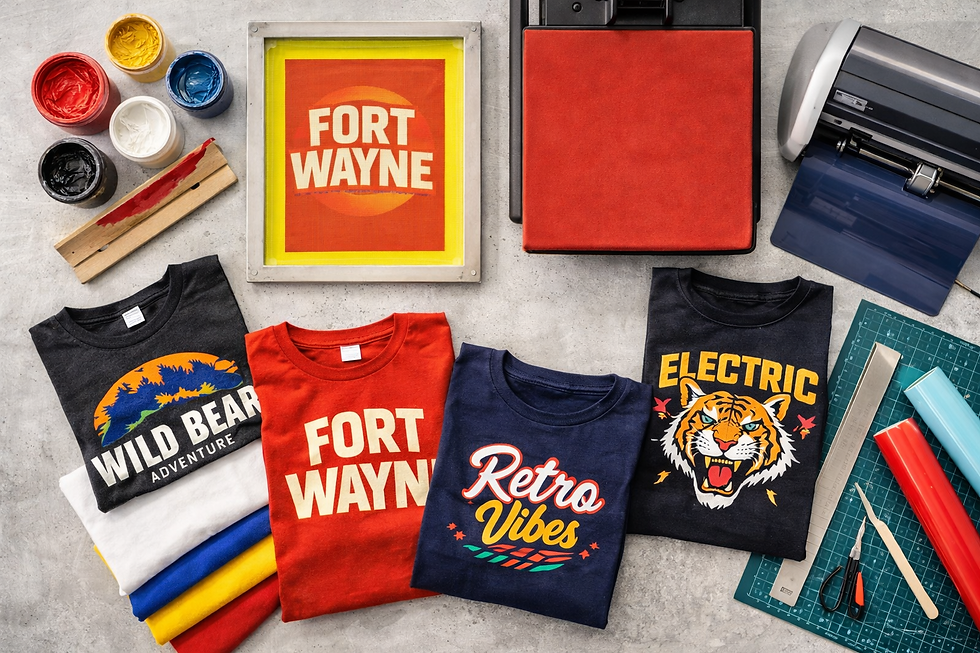
Screen printing is one of the most popular methods for logo shirts because it produces vibrant colors and durable designs. It’s especially cost-effective for bulk orders.
Direct-to-Garment (DTG) Printing
DTG printing works well for highly detailed logos or designs with multiple colors. It allows the design to be printed directly onto the fabric, producing smooth and detailed results.
Embroidery for a Premium Look
For polos, hats, and workwear, embroidery offers a professional stitched appearance. Embroidered logos provide a high-end look and excellent durability.
Keep Your Audience in Mind
Design for Wearability
A logo shirt should be something people actually want to wear. Simple, stylish designs are more likely to become everyday clothing rather than items that stay in a drawer.
Think About Brand Messaging
Your shirt design should reflect your brand values and identity. Consider adding elements such as a slogan, tagline, or graphic that supports your overall brand message.
Conclusion:
Learning how to design a custom logo shirt for your brand starts with creating a strong logo, selecting the right apparel, and choosing the best printing method. By focusing on clean design, proper logo placement, and comfortable shirt styles, you can create branded apparel that people are proud to wear.
Custom logo shirts are more than just clothing, they’re a powerful marketing tool that helps your brand gain visibility and build stronger connections with customers and employees.
With thoughtful design and high-quality printing, your custom shirts can turn your brand into a wearable statement.
Do you have questions about designing custom logo shirts for your brand? Fill out our form below and our team will help you get started on your custom apparel project.


Comments